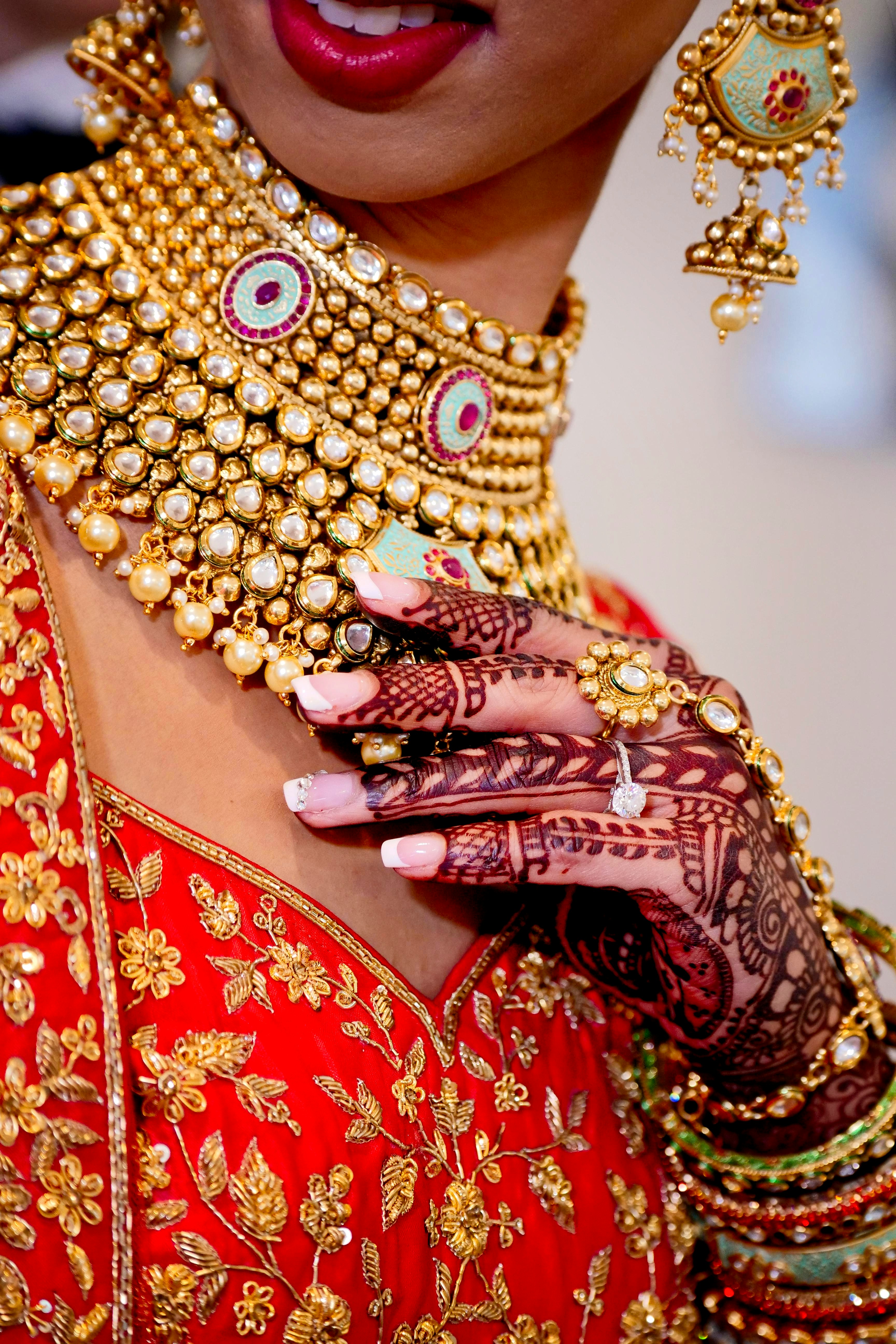
When people compare 22K vs 18K gold, they are usually asking three practical questions: how pure is it, how will it look, and how will it hold up on a ring, chain, or bridal set. Karat is simply a measure of how much pure gold is in the metal.
What “karat” means
Pure gold is 24K. Jewelry gold is almost always an alloy — gold mixed with other metals — so the piece can be shaped, set with stones, and worn.
- 22K gold = 22 parts gold out of 24 ≈ 91.6% gold
- 18K gold = 18 parts gold out of 24 = 75% gold
The remaining percentage is typically copper, silver, zinc, or other metals. Those alloy metals change hardness, color, and how the jewelry behaves day to day.
22K vs 18K gold purity
If purity is your priority, 22K contains more gold by weight than 18K. That is the core difference between 22K and 18K gold.
Higher purity does not automatically mean “better jewelry.” It means a higher gold content — and usually a softer metal. Lower karat alloys trade some purity for strength and design flexibility.
22K vs 18K gold color
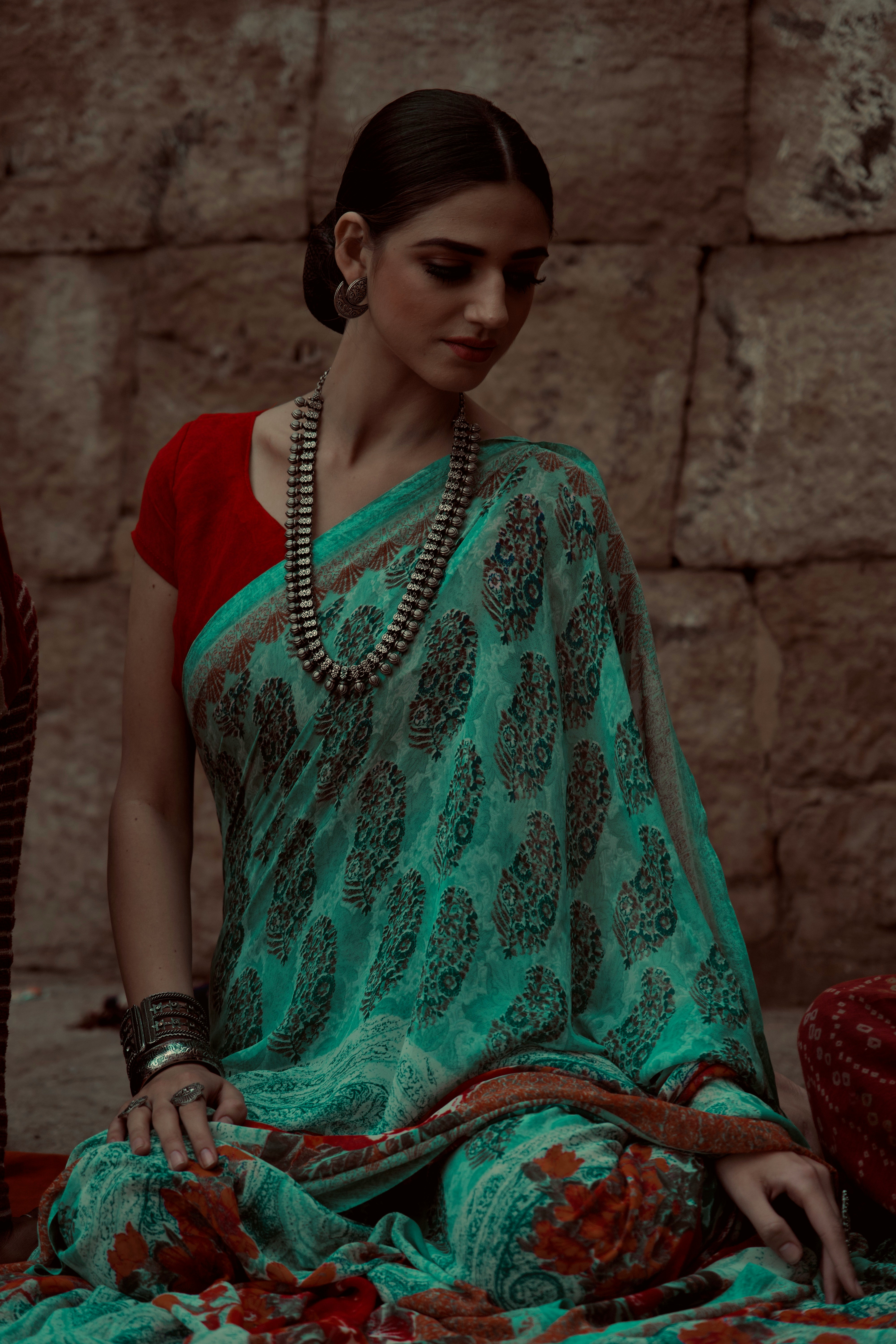
Because 22K has more pure gold, it usually looks a deeper, warmer yellow. Many people associate that tone with classic Indian bridal jewelry.
18K yellow gold still looks golden, but it can appear a touch lighter or less saturated, depending on the alloy recipe. 18K is also commonly made in white and rose tones by adjusting the alloy — something less typical for traditional 22K yellow jewelry.
22K vs 18K gold durability
Durability is where the comparison often reverses.
- 22K is softer. It can scratch or bend more easily with rough daily wear, especially in thin bands or delicate settings.
- 18K is harder. The extra alloy metal generally helps rings, bracelets, and finely detailed pieces resist everyday knocks better.
Neither karat is indestructible. Care, thickness, and setting style matter as much as the stamp on the jewelry.
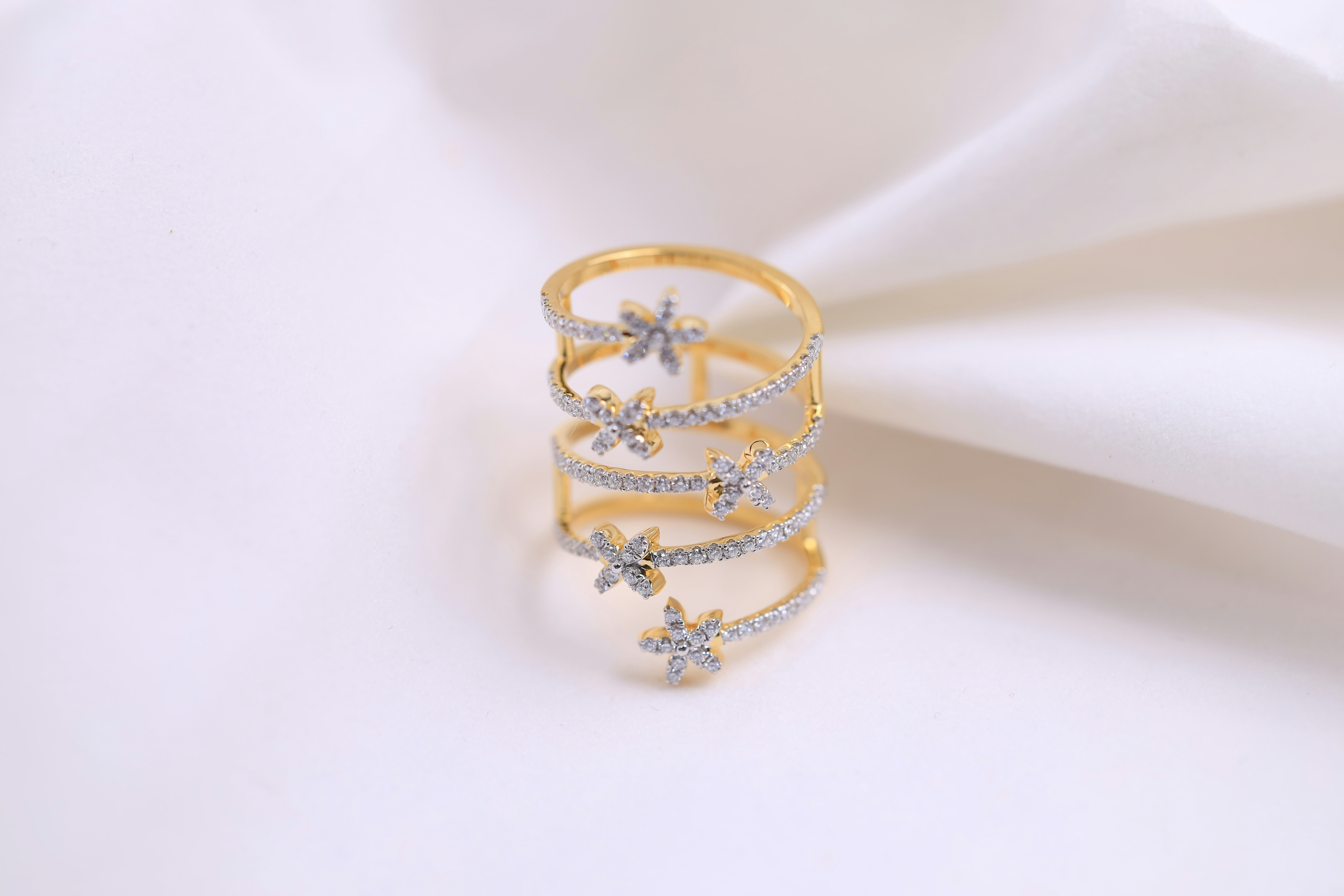
22K vs 18K gold for jewelry — side by side
| Factor | 22K gold | 18K gold |
|---|---|---|
| Purity | ~91.6% gold | 75% gold |
| Typical color (yellow) | Deeper, warmer yellow | Slightly lighter yellow (alloy-dependent) |
| Hardness | Softer | Harder |
| Everyday wear | Better with thicker, protected designs | Often preferred for frequent wear |
| Fine / intricate work | Possible, but structure matters | Often better for thin or detailed settings |
| Common association | Traditional bridal yellow gold | Contemporary and everyday fine jewelry |
18K vs 22K gold for wedding jewelry
Bridal jewelry is personal. Some families prefer the rich yellow of 22K for heirloom-style sets. Others choose 18K when the same pieces — especially rings — will be worn long after the wedding week.
A useful way to decide:
- Choose 22K when color and traditional yellow richness matter most, and the design can support a softer metal.
- Choose 18K when durability, intricate stone setting, or frequent wear is the priority.
Some wardrobes mix both: a 22K necklace for ceremony, an 18K band for daily wear. If you are planning a custom commission, talk through karat alongside design — not after the sketch is finished.
How to choose between 22K and 18K
- How often will you wear it? Daily rings usually benefit from a harder alloy.
- What color do you want? Prefer a deep traditional yellow? Lean 22K. Want flexibility toward white or rose? 18K is commonly used.
- How delicate is the design? Thin claws, micro-pavé, and filigree-like detail often need more structural strength.
- What is the piece for? Ceremony-first bridal sets and everyday bands can reasonably use different karats.
You can also read more about how a bespoke piece moves from conversation to finished work on our custom process page, or learn about the studio on the About page.
FAQ: 22K vs 18K gold
What is the purity difference between 22K and 18K gold?
22K gold is about 91.6% pure gold (22 parts gold out of 24). 18K gold is 75% pure gold (18 parts out of 24). The remaining metal in each alloy is usually copper, silver, or other metals that affect hardness and color.
Is 18K gold stronger than 22K gold?
Yes. Because 18K contains more alloy metals, it is generally harder and more resistant to everyday scratches and bending than 22K, which is softer because it contains a higher share of pure gold.
Which looks more yellow — 22K or 18K?
22K typically looks warmer and more richly yellow because of its higher gold content. 18K yellow gold still reads as gold, but can appear slightly lighter or less saturated depending on the alloy mix.
Is 22K or 18K better for wedding jewelry?
It depends on preference and use. 22K is often chosen for a traditional deep-yellow look in bridal sets. 18K is often preferred when a piece will be worn frequently or needs finer, more durable detailing. The better choice is the karat that matches how the jewelry will be worn and cared for.
Can custom jewelry be made in either 22K or 18K?
Many bespoke studios can work in either karat, subject to design and structural needs. Intricate or thin settings may be better suited to a harder alloy such as 18K, while some traditional silhouettes are commonly made in 22K.
Conclusion
The difference between 22K and 18K gold is measurable: 22K is purer and usually warmer in color; 18K is harder and often better for frequent wear or detailed work. Neither is universally “best.” The right karat is the one that fits the piece, the occasion, and how you live with your jewelry.
If you are deciding karat for a bespoke design, begin your piece with a short note about how you plan to wear it — that context matters more than any single rule.